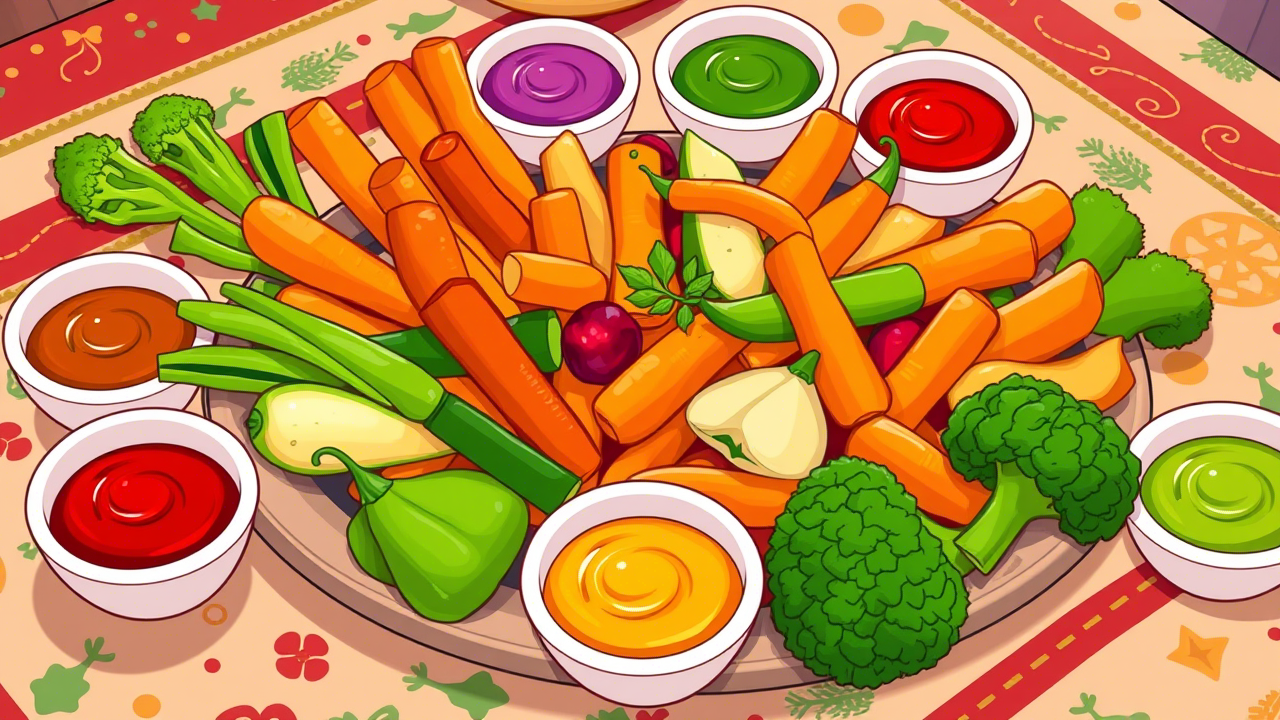
Roasted Veggie Platter with Fun Dips for Holidays

Let me tell you one thing — holiday spreads can be a lot. You have the heavy casseroles, the calorie-heavy desserts and — all of a sudden — roasted veggie platters.
They’re colorful, light and full of flavor. Plus, they’re great to remedy all the holiday indulgence.
Here’s the skinny: A roasted veggie platter can clock in anywhere from double digits to just shy of 600 calories per serving, depending on how you make it.
Add fun dips (hummus or guacamole, for example), and you’ve got a dish that’s both nutritious and crowd-pleasing.
Why Roasted Veggie Platters Are Holiday Magic
If you’ve ever stood in front of a holiday table and drawn a blank on what to contribute, roasted veggie platters are your answer.
They are not only nutritious — they’re festive, customizable and downright delectable. Here’s why they’re such hot stuff over the holidays:
Colorful and Eye-Catching
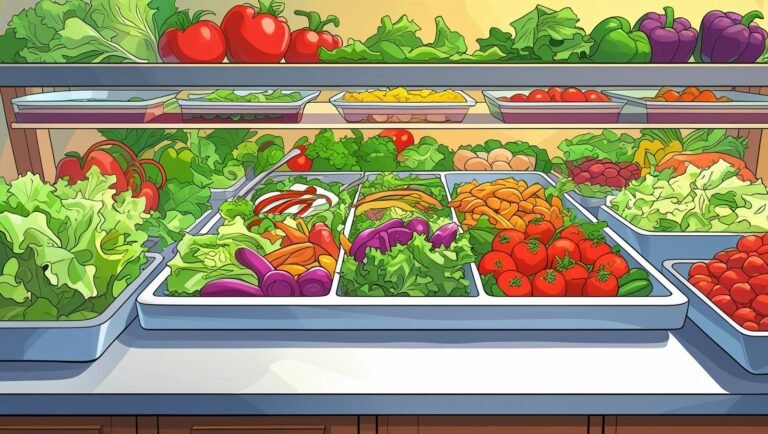
Think about it. A platter of vibrant orange sweet potatoes, deep green broccoli florets and vivid red bell peppers?
It’s as if a rainbow has alighted on your table. It’s not only beautiful, but it also practically begs to be torn into.
Nutrient-Packed Goodness
Regular roasted vegetables are not only a looker—they are good for you. They’re brimming with vitamins, fiber and antioxidants.
Depending on the blend, you may be receiving more than 40% of your daily needs of Vitamin A or C in a single serving. That’s healthy and delicious on both counts.
Easy to Customize
The thing about a roasted vegetable platter is that it’s just so adaptable. It’s versatile, so you can play with it to suit your dietary situation or simply use up whatever vegetables you’ve got hanging around. Gluten-free? Check. Vegan? Double check. Picky eaters? Easy peasy — add more kinds of dip.
Breaking Down the Nutrition Stats
Let’s dive into the numbers. Just how healthy are these platters, however? I’ll dissect it so that you’ll know exactly what you’re serving (or eating).
Nutritional Overview Table
| Source/Serving Size | Calories | Protein (g) | Fat (g) | Carbs (g) | Fiber (g) | Sodium (mg) | Notable Nutrients |
| Johns Hopkins Medicine | 98 | 2 | 2 | 20 | 5 | 108 | Low fat, moderate fiber |
| Marie Callender’s | 599 | 13 | 32 | 67 | 9 | 1490 | High fat and sodium, 32% DV fiber, 20% DV calcium |
| Spelt | 121 | 2 | 6 | 17 | – | – | Moderate calories and fat |
| Eat This Much Grilled | 140 | 7 | 9 | 13 | – | – | Vitamin C (41% DV), Vitamin K (34% DV), potassium (7% DV) |
| Cobbk12 | 34 | 1 | 1 | 7 | 2 | 163 | Vitamin A (4349 IU), Vitamin C (27 mg) |
| SparkPeople | 109 | 2.4 | 7.2 | 10.3 | 2.7 | 103 | Vitamin C (62% DV), Vitamin A (23% DV), Magnesium, Manganese |
| FatSecret | 113 | 4.2 | 10.6 | 13.4 | – | – | 70% calories from fat, 25% carbs |
Calories
Portion sizes matter here. A modest half-cup serving may register at a slim 34 calories, but large restaurant portions can climb to nearly 600 calories. Most homemade versions fall somewhere in between, with about 100-150 calories per serving.
Protein Content
Most of our roasted veggie platters aren’t protein powerhouses, but they do have some.
Look for between 1 gram in lighter servings and 13 grams in heartier ones.
For a higher-protein platter, serve it with high-protein dips such as hummus or yogurt-based sauces.
Fat Levels
Fat levels range widely, from as little as 1gram in plain roasted veggies to more than 30 grams in oil-laden recipes or restaurant platters.
If you’re fat conscious, use very little olive oil for roasting and lower fat dips.
Carbs and Fiber
There are as few as 7 grams or as many as 67 grams of carbs in each serving, with fiber count ranging from 2 to 9 grams. Fiber is important for your digestion process- so load up on cruciferous veggies like broccoli and cauliflower to pack as much fiber in as possible.
Sodium Alert
Plain roasted vegetables tend to be low in sodium; some are even below the 100 milligram mark. But once you add salty seasonings, or creamy dips, that amount can shoot up — too close to 1,500 milligrams in some instances. Keep an eye on those dips!
Vitamins and Minerals
In the vitamin department, these platters shine. It’s that many pickles contain nearly half of one’s daily of Vitamin A or C (or more).
Some are even rich in calcium, magnesium, manganese and potassium. It’s like an on-the-go multivitamin.
Popular Dips for Roasted Veggies
Roasted veggie platters with dips bring it up a notch. Depending on which one you choose, you get creaminess, tang, or richness. Some of the crowd, in fact:
Hummus
So tasty, so easy, and pretty much no way to screw it up. Hummus, which is made of chickpeas, tahini and lemon juice, contains fiber and protein. Each two-tablespoon serving has approximately 70–100 calories.
Yogurt-Based Dips
It’s a process similar to making tzatziki or dill-infused yogurt dips. These are light, refreshing, full of probiotics and calcium. Calories-wise, they tend to be moderate — about 50–80 calories per serving.
Guacamole
Guac is whipped up with avocados, lime juice and spices, making it an artery-clearing, heart-healthy dip that’s loaded with healthy fats and fiber. It’s a little higher in calories (about 50 per two tablespoons), but completely worth it.
Ranch or Creamy Dressings
These are indulgent, tasty treats that’ll cost you. It’s not to say we couldn’t also hit 140+ calories in a single serving of some of the ranch like dressings with all the fat and sodium. Go easy if you’re minding your intake.
Did You Know?
And here are some little-known facts about roasted veggie platters that will blow your mind!
- They’re Diet-Friendly Veggie platters are the perfect diet-friendly appetizer, if you ask me—vegans, gluten-free folks, and keto dieters can all share a plate practically. Simply adjust the seasoning and dips accordingly.
- Root Vegetables Pack a Punch Sweet potatoes and carrots aren’t just delicious they’re packed with beta-carotene which your body converts into Vitamin A.
- Marie Callender’s Platter Hits Hard One serving of food from Marie Callender’s has a crushing 599 calories and 1,490 milligrams of sodium. This one is definitely for special occasions.
Tips for Hosting the Perfect Roasted Veggie Bar
Hosting a holiday gathering? Try some of these tips to make a roasted veggie platter your new favorite appetizer:
Plan Portions Wisely
Your target is about 1–1.5 cups of roasted vegetables per person. So there is plenty for everyone to eat without food being wasted.
Mix It Up
Add textures and different colors. Root vegetables (carrots, sweet potatoes) add sweet; cruciferous (broccoli, cauliflower) adds crunch.
Don’t forget some pretty peppers for color pop.
Offer Multiple Dips
RANGER One night The menu is simple: Here’s a handful of stuff we do well.The food will change weekly as new options arise and others fall out of season.
Two to three dips will be on offer. Consider hummus for protein, yogurt dip for freshness, guacamole for healthy fat.
If you’re taking different dietary needs into account, label them clearly.
Prep Ahead
Those suckers are roasted in 20–30 minutes, and prep work is barely 5–10 minutes of chopping. Try to prepare as much in advance as possible to ease the pressure on the big day.
Summary Table: Roasted Veggie Platter Nutrition (Selected Examples)
| Serving Size | Calories | Fat (g) | Protein (g) | Carbs (g) | Fiber (g) | Sodium (mg) | Notable Vitamins/Minerals |
| 1/2 cup (Cobbk12) | 34 | 1 | 1 | 7 | 2 | 163 | Vitamin A (4349 IU), Vitamin C (27 mg) |
| 1 cup (Spelt) | 121 | 6 | 2 | 17 | – | – | – |
| 1 serving (SparkPeople) | 109 | 7.2 | 2.4 | 10.3 | 2.7 | 103 | Vitamin C (62% DV), Vitamin A (23% DV) |
| 1 order (Marie Callender’s) | 599 | 32 | 13 | 67 | 9 | 1490 | 32% DV fiber, 20% DV calcium |
Final Thoughts
Roasted veggie platters are a holiday salvation. They are healthy, versatile and so pretty.
Just make sure to keep flavors in balance, and mind the sodium in dips.
So get your veggies, crank the oven, and have at it with the roasting: it’s feast time!
I’m Kai, a fitness fiend and wellness geek from Vancouver. I love helping people find small, sustainable ways to feel better every day. From workouts, to good mental health, to smoothie recipes, I keep it real. Perfection is not my thing — progress is. When I’m not at the gym, I’m likely to be hiking or sampling a new meditation app