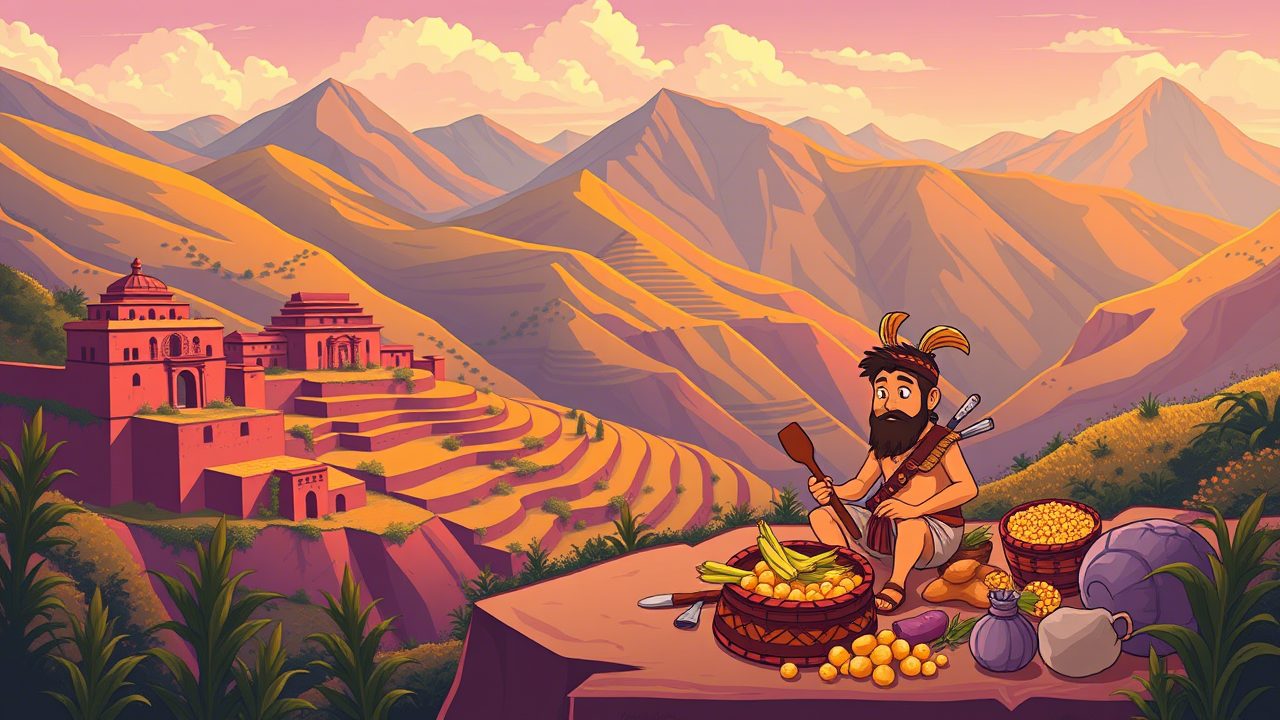
Inca-Inspired Dinners: 4 Tasty Meals from the Mountains

Curious about how the Incas dined? Their diet was simple but genius, designed to flourish in the high Andes.
They depended on native crops such as quinoa and potatoes, tendrilled more than 4,000 miles at the expansion’s peak, and even guinea pigs as a protein source.
So here’s the deal: I’m going to provide four meals you should make today. These are hearty, nourishing dishes that are as rich as they are historic.
Are you down to cook like an ancient empire? Let’s dive in.
Why Should You Care About Inca Cuisine?
The Incas were incredibly good at survival. They put their food in the trading post, altering it to suit the high altitude of their land; they outlasted bitter winters with freeze-dried potatoes and snacked on llama jerky.
Their sustenance wasn’t simply food — it was resilience and flavor.
1. Chuño Soup with Meat
Chuño Soup with Meat: Mountain’s Basic Food
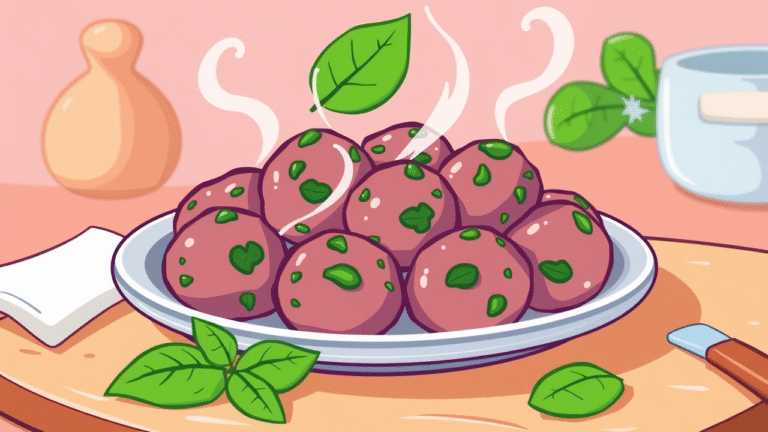
Chuño soup is the very definition of survival food. This was a stew cooked with freeze-dried potatoes mixed with dried llama meat (called charqui); it’s thick, nourishing and full of energy. It’s a warm hug from the Andes.
Ingredients You’ll Need
- Chuño (freeze-dried potatoes)
- Dried llama or alpaca meat (charqui)
- Andean herbs (like huacatay or mint)
Nutritional Value
So this soup is loaded with chuño carbs and charqui protein.
The herbs contribute minerals and flavor too. And taken together, it’s a powerhouse meal.
Fun Fact
Chuño could be stored for many years. It was a crucial addition to the diet during extended travels and in lean times.
How to Make It
Soak the chuño overnight to rehydrate. Cook it with charqui and rehydrated herbs in to a thick soup. Simmer for 1–2 hours.
It is so wonderful seeing the flavors deepening and developing over time. Each bite is an education in survival.
2. Quinoa Stew (Pesque de Quinoa)
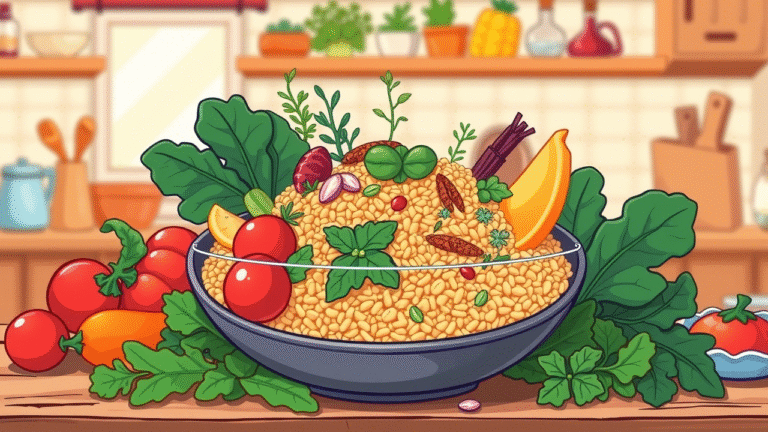
This quinoa stew is a bowl of comfort. QuinoaPeople in the Andes considered quinoa “the golden grain of the Andes.” Warriors and farmers relied on it as a source of their strength. This stew mixes it with potatoes and corn and vegetables for a meal in itself.
What’s in It?
- Quinoa (the star ingredient)
- Potatoes and corn (for energy)
- Vegetables and sometimes dried meat
Why It’s Great
Quinoa, a source of whole protein, fiber and amino sensitivity. Paired with tubers, it’s a meal with enough balance to stave off the effects of high-altitude living.
Did You Know?
Quinoa was such a staple for the Incas that they referred to the crop as the “mother grain.” It put its people to work in extreme conditions.
My Take
Add potatoes, corn and quinoa and potatoes to boil with veggies. If you want more protein, throw in some dried meat.
Cook until they are all tender. Simple, right?
It’s velvety, earthy, rich and filling. It is like an old mountain hug.
3. Olluco and Charqui Stew
The tubers of Olluco are similar to potatoes, but firmer. Paired with charqui, they make a stew that is rich, flavorful and deeply satisfying. The main thing about this dish is balance.
Key Ingredients
- Olluco tubers
- Dried llama meat (charqui)
- Onions and chili peppers (for spice)
Health Benefits
This stew is a protein, complex carb and vitamin jackpot. It’s light but filling — a real mountain classic.
Fun Fact
The tuber Olluco was popular for its textures and nutrient content, as well. It was frequently combined with charqui to provide a long-lasting food.
How to Cook It
Boil the tubers and reconstituted charqui with onions and chili peppers. Simmer for 1–1.5 hours until the meat is tender.
The long, slow cook draws out the flavors. With every bite I feel like I’m celebrating Andean ingenuity.
4. Cuy Chactado (Fried Guinea Pig)
Cuy, or guinea pig, may sound peculiar, but it’s a longstanding Andean delicacy.
Crisped in hot oil, it’s protein packing and low fat. Serve it with potatoes, corn, and chicha morada to make it feel traditional.
What Goes In?
- Guinea pig (whole or cut into pieces)
- Native herbs and salt
- Chili peppers for seasoning
Why It’s Good for You
Cuy is high in its contents of protein and low in fat. It’s a lean, nutrient-dense choice that kept highland communities alive for centuries.
Did You Know?
Cuy has been an Andean protein for thousands of years. It’s frequently served at celebrations and continues to be a cultural delicacy to this day.
Easy Recipe
The guinea pig is cleaned and seasoned with herbs and chili. Fry it until crispy. Serve hot with sides such as potatoes and corn.
I couldn’t resist the golden brown skin and juicy flesh. It is a dish that tells a tale of tradition and of survival.
Summary Table
Here is a quick comparison of the dishes we have covered:
| Dish | Main Ingredients | Prep Time | Serving Size | Key Nutrients | Inca Fact |
| Chuño Soup | Freeze-dried potatoes, charqui, herbs | 1–2 hours | 4 | Carbs, protein, minerals | Chuño lasts years, vital for food security |
| Quinoa Stew | Quinoa, potatoes, corn, vegetables | 1 hour | 4–6 | Complete protein, fiber | Quinoa is a “golden grain” with balanced amino acids |
| Olluco & Charqui Stew | Olluco tubers, dried llama meat | 1–1.5 hours | 4 | Protein, complex carbs | Olluco prized for texture and nutrition |
| Cuy Chactado | Guinea pig, herbs, chili | 45 min | 2–4 | High protein, low fat | Cuy is a traditional delicacy and important protein source |
Additional Inca Food Facts and Stats
Now let’s examine the nitty-gritty of just what was so extraordinary about Inca cuisine. Here’s what you need to know:
Potatoes and Tubers
The Inca civilization produced over 3,000 types of potatoes and tubers. Some adapt to various climates and elevations, showcases their agricultural genius.
Key Grains
Quinoa and kiwicha were the basics. Quinoa was hailed as a complete protein, which early settlers needed to survive at high altitudes.
Kiwicha was another grain, filled with nutrients that they added to their food every day.
Preserved Proteins
Charqui – inspired (llama or alpaca meat) used as a dried preserved protein that was crucial for traveling long distances, as well as during times of war. It was light, sturdy and nutritious.
Ají Peppers
Ají peppers were flavoring agents and had medicinal applications.
They came in all colors, from yellow to red, even the celebrated rocoto chili.
These peppers were used as a main seasoning for many dishes.
Guinea Pigs
Cuy (guinea pig) was a highland standard protein. Roasted, boiled or fried, it continues to be a delicacy in the Levant.
It’s often accompanied by potatoes, corn and local refreshments, such as chicha morada.
Cooking Methods
Traditional methods like pachamanca entailed slow-roasting meats and vegetables in pits under the earth.
But faster stews and fried dishes were typical for most daily meals.
Final Thoughts
These four dishes reveal the ingenuity and wisdom behind Inca cuisine.
They are hearty, healthy and steeped in history.
Make one tonight — you’ll sample the mountains with each bite.
I’m Kai, a fitness fiend and wellness geek from Vancouver. I love helping people find small, sustainable ways to feel better every day. From workouts, to good mental health, to smoothie recipes, I keep it real. Perfection is not my thing — progress is. When I’m not at the gym, I’m likely to be hiking or sampling a new meditation app